
-
Explore Fried Cabbage with Sausage: A European Culinary Tradition
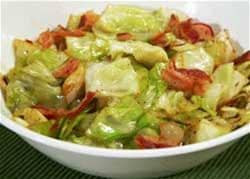
Cabbage is a very versatile vegetable. It can be prepared in many ways, but one of my favorite ways is fried with sausage. Sausage gives it a unique flavor and adds another element to this dish. The combination of cabbage and smoked sausage has deep roots in European cuisine. This is particularly true in German,…
-
Versatile Sauce Recipes to Elevate Your Cooking

Adding sauces to a dish can enhance the flavor in several ways: Moisture: Sauces add moisture to a dish, which can help distribute and marry the flavors throughout. Fat/Richness: Many sauces contain fats like butter, cream, or oil, which can impart a rich, indulgent mouthfeel. Acidity: Acidic ingredients like vinegar, wine, or citrus in sauces…
-
The History of Shrimp and Grits: A Culinary Journey
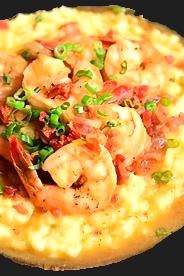
The origin of Shrimp and Grits is deeply rooted in the culinary history of the Lowcountry region of South Carolina. Its roots trace back to Native American and African American cooking traditions. Native American Origins: Native Americans were the first to cultivate corn and create grits by grinding corn into a coarse meal They taught…
-
Cabbage Roll Variations from Around the World

Cabbage rolls have a rich and fascinating culinary history that spans multiple cultures and continents. Here’s an overview of their origins and evolution: Origins and Early History: Cabbage rolls originated in the Middle East. Early versions date back to the Ottoman Empire around the 12th century. Wrapping meat in leaves is an ancient cooking technique.…
-
The Prime Rib Christmas Tradition Explained

Prime rib as a Christmas tradition with recipe.
-
The History and Evolution of Soufflés
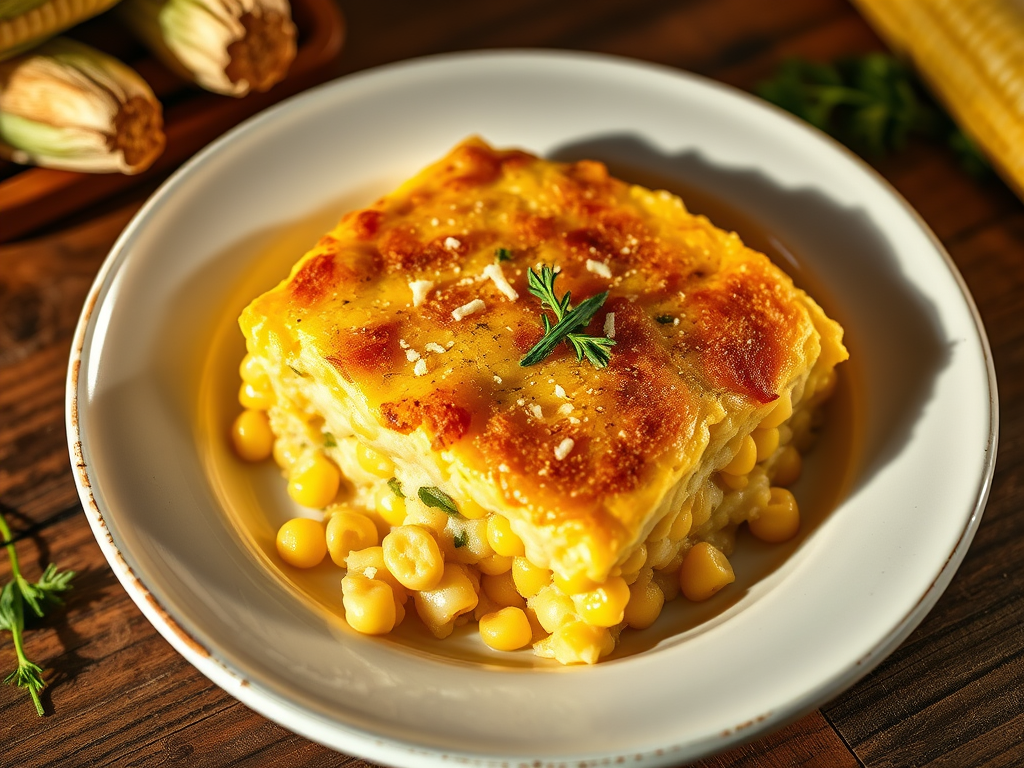
This is a journey of the souffle, with a corn souffle recipe
-
How to choose the best Beef cut for Cooking
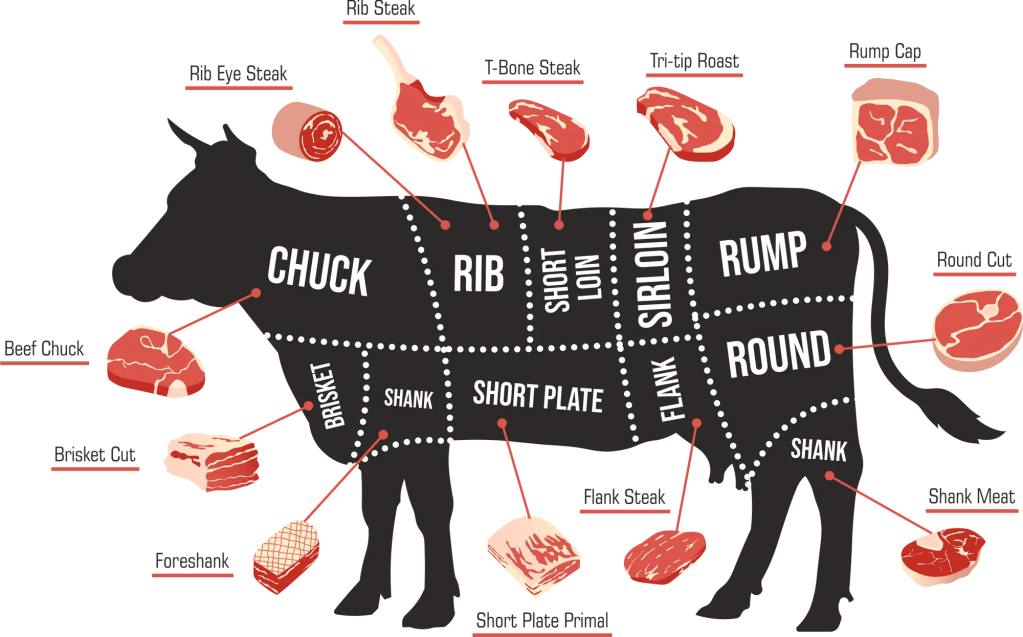
Beef, the meat of cattle, has been a cornerstone of human nutrition for thousands of years. This versatile protein source ranges from premium steaks to humble hamburgers. It comes in numerous cuts and grades. These cuts and grades determine its texture, flavor, and optimal cooking methods. The most prized cuts come from areas of the…
-
Why Every cook needs a Thermometer:
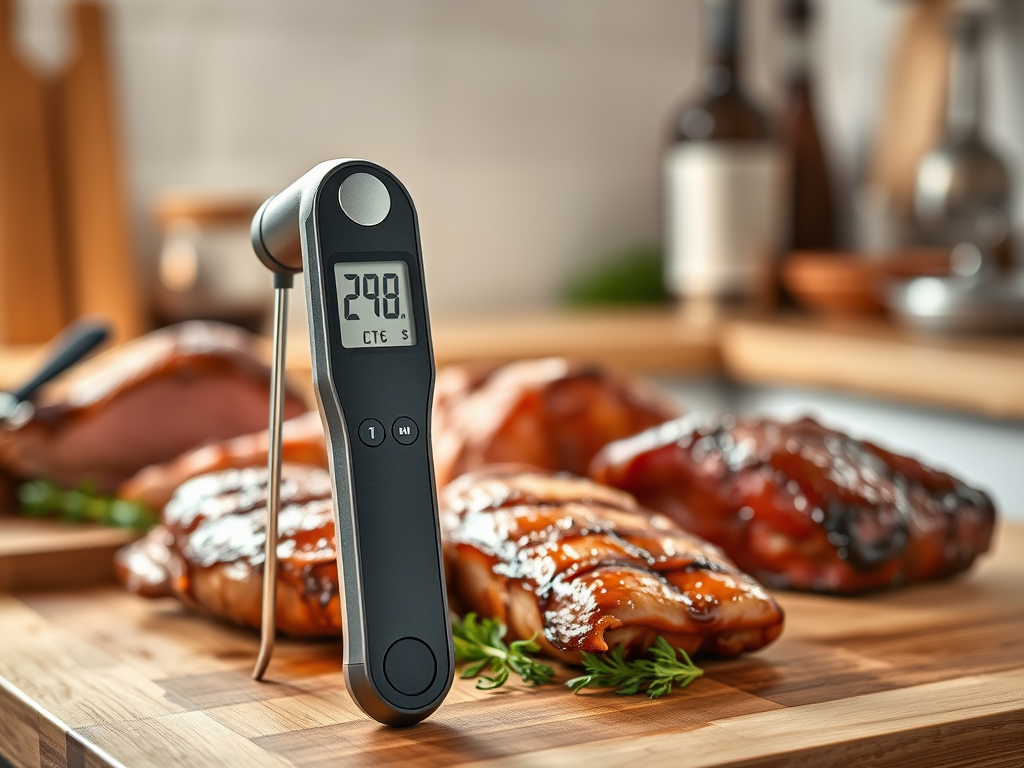
The most important tool of the trade in a chef or cook life is the thermometer. Why Food Thermometers Are Essential: Food thermometers are essential tools in the kitchen. They provide the only reliable method to ensure food safety. They also help in achieving optimal cooking results. Visual cues like color or texture can be…
-
Top 8 Food Allergies to Know About

What are the top food allergies? Here are the most common food allergies: Milk (dairy products) Eggs Peanuts Tree nuts (almonds, walnuts, cashews, etc.) Soy Wheat Fish Shellfish (shrimp, crab, lobster, etc.) These “Big 8” allergens account for about 90% of all food allergic reactions. A few other relatively common food allergies include: Sesame (recently added as the 9th…
-
Why Handwashing Matters for Food Safety
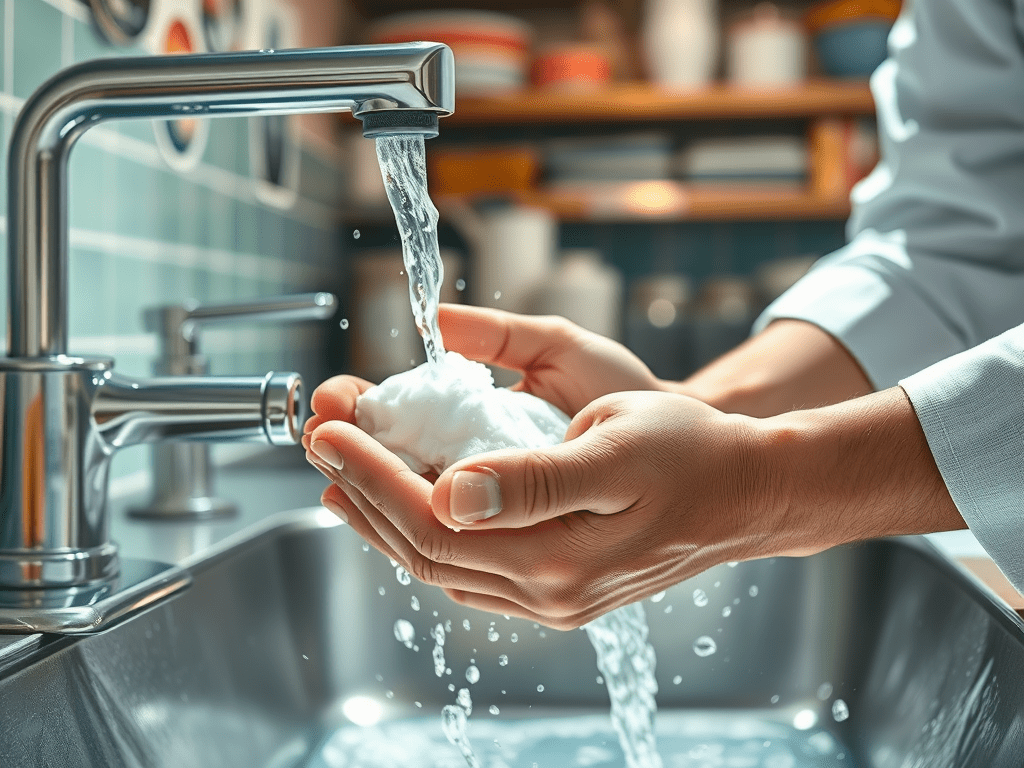
Handwashing is a critical aspect of food safety. It helps prevent the spread of harmful bacteria and viruses. These microorganisms can cause foodborne illnesses. Here’s a comprehensive overview: Why Handwashing is Important: Prevents Contamination: Hands can carry millions of microorganisms that can transfer to food, cooking surfaces, and utensils. Stops Pathogen Spread: Many foodborne illnesses…

