

Adding sauces to a dish can enhance the flavor in several ways:
- Moisture: Sauces add moisture to a dish, which can help distribute and marry the flavors throughout.
- Fat/Richness: Many sauces contain fats like butter, cream, or oil, which can impart a rich, indulgent mouthfeel.
- Acidity: Acidic ingredients like vinegar, wine, or citrus in sauces can brighten and balance the flavors
- Texture: Sauces can provide a cohesive, velvety texture that coats the food and prevents individual ingredients from tasting disjointed.
In summary, sauces deliver flavors effectively. They blend and harmonize the dish’s components. This creates a more integrated and satisfying eating experience.
Romesco

Here is a recipe for Romesco Sauce:
Ingredients:
Here are some common variations on classic Romesco sauce:
- Walnut Romesco – Use toasted walnuts instead of almonds.
- Cashew Romesco – Use roasted cashews instead of almonds.
- Hazelnut Romesco – Use toasted hazelnuts in place of the almonds.
- Roasted Vegetable Romesco – Add roasted vegetables like eggplant, zucchini, or onions to the sauce.
- Herb Romesco – Stir in fresh herbs like parsley, basil, or oregano.
- Spicy Romesco – Add crushed red pepper flakes or smoked chipotle for heat.
- Citrus Romesco – Brighten it up with a splash of lemon or orange juice.
- Nut-Free Romesco – Use toasted breadcrumbs or sunflower seeds instead of nuts.
The core ingredients – roasted red peppers, garlic, vinegar, and olive oil – remain the same. You can experiment with different nuts. Try various veggies, herbs, and spices. Create your own unique version of this versatile Spanish sauce.
Chimichurri Sauce

Recipe for classic chimichurri sauce:
Ingredients:
- 1 cup fresh parsley, finely chopped
- 4 garlic cloves, minced
- 1/2 cup olive oil
- 3 tbsp red wine vinegar
- 2 tbsp oregano, chopped
- 1 tsp red pepper flakes
- 1/2 tsp salt
- 1/4 tsp black pepper
Instructions:
- In a bowl, combine the parsley, garlic, olive oil, vinegar, oregano, red pepper flakes, salt, and pepper.
- Stir to mix well.
- Let the chimichurri sauce sit for at least 30 minutes to allow the flavors to meld.
- Taste and adjust seasonings as needed.
- Serve chimichurri sauce as a condiment for grilled meats, fish, or vegetables.
Here are some common variations on classic chimichurri sauce:
- Cilantro Chimichurri – Use cilantro instead of parsley.
- Spicy Chimichurri – Add more red pepper flakes or use a spicier pepper.
- Lemon Chimichurri – Use lemon juice instead of red wine vinegar.
- Herb Chimichurri – Use a mix of herbs like parsley, oregano, basil, and cilantro.
- Garlic Chimichurri – Increase the amount of garlic.
- Roasted Pepper Chimichurri – Add roasted red peppers or bell peppers.
- Avocado Chimichurri – Blend in some avocado for a creamy texture.
You can experiment with different ingredient ratios and additions to customize the flavor profile to your liking. The basic formula of herbs, garlic, oil, acid, and seasoning allows for lots of variation
Garlic Aioli Sauce
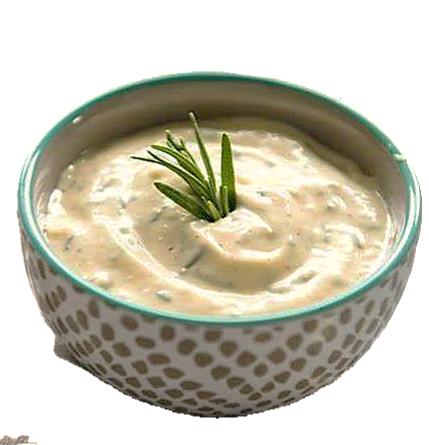
Recipe for Garlic Aioli:
Ingredients:
- 1 egg yolk
- 2 cloves garlic, minced
- 1 tbsp lemon juice
- 1/2 tsp dijon mustard
- 1/2 cup olive oil
- Salt and pepper to taste
Instructions:
- In a bowl, whisk together the egg yolk, garlic, lemon juice, and mustard.
- Slowly drizzle in the olive oil while whisking constantly to emulsify the mixture.
- Season with salt and pepper to taste.
- Refrigerate until ready to use. Serve as a dip or spread.
The key steps are to slowly incorporate the olive oil while whisking vigorously to create a thick, creamy aioli. Adjust the lemon juice and seasoning to your liking. Enjoy!
Here are some variations:
- Herb Aioli – Mix in chopped fresh herbs like parsley, dill, chives, or basil.
- Spicy Aioli – Add a bit of hot sauce, cayenne pepper, or smoked paprika for a spicy kick.
- Lemon Pepper Aioli – Use lemon zest and cracked black pepper for a brighter, peppery version.
- Truffle Aioli – Stir in a teaspoon or two of truffle oil for an earthy, decadent aioli.
- Avocado Aioli – Blend in some mashed avocado for a creamy, rich aioli.
The basic method remains the same, but these variations allow you to customize the flavor profile to complement different dishes. Start with the core aioli ingredients and experiment with add-ins to find your preferred version.
Basil Pesto
Recipe for classic basil pesto:
Ingredients:
- 2 cups fresh basil leaves, packed
- 1/2 cup pine nuts
- 3 cloves garlic
- 1/2 cup grated Parmesan cheese
- 1/2 cup olive oil
- 1/4 teaspoon salt
Instructions:
- In a food processor, combine the basil, pine nuts, and garlic. Pulse until finely chopped.
- Add the Parmesan cheese and pulse to combine.
- With the processor running, slowly drizzle in the olive oil until a smooth pesto forms.
- Season with salt to taste.
To use the pesto:
- Toss with hot pasta
- Spread on bread or crackers
- Use as a sauce for chicken, fish, or vegetables
- Mix into soups or stews
The pesto can be stored in the refrigerator for up to 1 week, or frozen for several months.
Here are several variations on classic basil pesto:
- Cashew or almond pesto – Use raw cashews or almonds instead of pine nuts.
- Arugula pesto – Substitute arugula leaves for some or all of the basil.
- Sun-dried tomato pesto – Add chopped sun-dried tomatoes.
- Spinach pesto – Use spinach instead of basil.
- Walnut pesto – Swap walnuts for the pine nuts.
- Roasted red pepper pesto – Include roasted red peppers.
- Kale pesto – Make pesto with kale instead of basil.
- Herb pesto – Use a mix of fresh herbs like parsley, cilantro, oregano.
The basic technique remains the same – blend the greens/herbs with nuts, garlic, cheese, and olive oil. The variations allow you to adjust the flavor profile to your preferences.
Hot Sauce

Simple recipe for a basic hot sauce:
Ingredients:
- 1 lb red chili peppers (such as cayenne or serrano), stems removed and sliced
- 4 cloves garlic, minced
- 1 tsp salt
- 1 cup distilled white vinegar
- 1 tbsp honey (optional)
Instructions:
- In a saucepan, combine the sliced chili peppers, minced garlic, and salt.
- Pour in the vinegar and stir to combine.
- Bring the mixture to a boil, then reduce heat and simmer for 10-15 minutes, until peppers are softened.
- Remove from heat and allow to cool slightly.
- Transfer the pepper mixture to a blender and blend until smooth.
- If using, stir in the honey.
- Transfer the hot sauce to sterilized bottles or jars.
- Refrigerate for up to 2 weeks.
Adjust the amount of peppers to control the heat level. Serve the hot sauce with tacos, eggs, sandwiches, or anywhere you want a spicy kick. Enjoy!
Here are some common variations to the basic hot sauce recipe:
Flavor Variations:
- Add 1-2 tablespoons of lime juice for a citrusy note
- Incorporate roasted garlic or onions for a deeper flavor
- Use a mix of different chili peppers (e.g. habanero, jalapeño, chipotle)
- Stir in a splash of soy sauce, Worcestershire sauce, or fish sauce
- Add a teaspoon of spices like cumin, smoked paprika, or oregano
Heat Level Variations:
- Use milder peppers like Anaheim or pasilla for a less spicy sauce
- Add more cayenne or serrano peppers for a hotter sauce
- Include a few habanero or ghost peppers for an extra fiery kick
Consistency Variations:
- Blend the sauce to a thinner, pourable consistency
- Leave some pepper chunks for a chunkier texture
- Simmer the sauce down to a thicker, spreadable hot sauce
Fermented Variation:
- Ferment the chili pepper mixture for 2-4 weeks before blending
- This adds complex, funky flavors to the hot sauce
Heat Level of Peppers: Scoville Level:
These peppers can be added to give any sauce a kick but be careful of how much kick you give.
The higher the level the Hotter the Pepper.
The Scoville scale measures the spicy heat of chili peppers and other spicy foods. It ranges from 0 Scoville Heat Units (SHU) for bell peppers. It goes to over 2 million SHU for the Carolina Reaper, one of the world’s hottest peppers. Here are some common pepper Scoville levels:
- Bell Peppers: 0-100 SHU
- Banana Peppers: 100-900 SHU
- Jalapeño Peppers: 2,500-8,000 SHU
- Serrano Peppers: 10,000-23,000 SHU
- Cayenne Peppers: 30,000-50,000 SHU
- Habanero Peppers: 100,000-350,000 SHU
- Ghost Peppers: 855,000-1,041,427 SHU
- Carolina Reaper: 1,400,000-2,200,000 SHU
The higher the Scoville rating, the hotter the pepper. The scale is based on measuring the concentration of capsaicin, the chemical compound that provides the spicy sensation
 D'Lightful Dishes LLC, Personal / Private Chef Services