

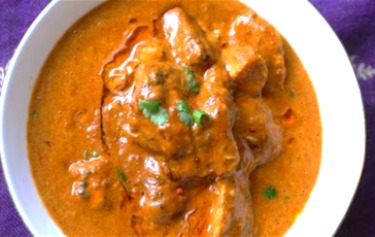
Tikka Masala is a spicy, sweet, and savory dish from India and Britain. It is sure to please the pickiest of palates. It’s notes of cinnamon, yogurt, spices, and a little heat is a taste explosion in your mouth. The spice mixture is called Garam Marsala and can be made in different combinations.
This dish can be vegetarian made with chick peas or tofu; or made with meat, usually chicken. Either way, this dish is a staple in Indian and British culture.
Chicken Tikka Masala is actually a fascinating fusion dish with somewhat disputed origins. While it has strong Indian influences, it was most likely invented in Britain in the 1970s, specifically in Glasgow, Scotland. The most commonly cited origin story says that Ali Ahmed Aslam created it. He did so at his restaurant Shish Mahal in Glasgow.
According to this account, a customer complained that their chicken Tikka (marinated and grilled chicken pieces) was too dry. In response, the chef improvised by adding a sauce made from tomatoes, cream, and spices. This dish became chicken Tikka Masala. It features tender pieces of tandoori-style chicken in a rich, creamy, tomato-based curry sauce.
However, it’s worth noting that there are competing claims to its invention. Some argue it evolved from butter chicken (murgh makhani) in India. What’s certain is that the dish became enormously popular in Britain. By 2001, British Foreign Secretary Robin Cook declared it “a true British national dish.”
The dish perfectly represents the culinary cross-pollination between British and Indian cuisine. This fusion occurred during and after the British colonial period in India.
Regional variations of this dish
There are several interesting regional variations of tikka masala! Here are some notable differences:
In Britain, the dish is incredibly popular. The sauce tends to be sweeter and creamier. It often has a bright orange-red color. British versions typically use more cream and sometimes even add a touch of food coloring to achieve that signature color.
In Northern India, you’ll find versions that are spicier. They are more complex in their spicing, often incorporating more ginger, garlic, and garam masala. The sauce might be lighter in color and less creamy, with more emphasis on the tomato base.
In the United States, restaurants often adapt the dish to local tastes by making it milder. They sometimes add sugar to counterbalance the spices. Some places also make it thicker and creamier than traditional versions.
In major cities with large South Asian populations like Toronto and Melbourne, you can find interesting fusion variations. Some chefs incorporate local ingredients. They adjust cooking techniques. For example, they use local dairy products that affect the sauce’s texture and taste.
Pakistani variations often include more green chilies. They may use yogurt more prominently in the sauce. This creates a tangier flavor profile.
Spice blends and Flavor profiles
The spice blends used in tikka masala vary significantly, but here are some key regional variations in the spice combinations:
Traditional British-Indian Style:
- Base spices: Garam masala, turmeric, cumin, coriander
- Usually includes a mild paprika for color
- Often uses a pre-made “curry powder” blend
- Tends to go lighter on chili powder for a milder heat
Northern Indian Style:
- Heavy on whole spices like cardamom pods, cinnamon sticks, and cloves
- Uses fresh green chilies instead of chili powder
- Includes kasoori methi (dried fenugreek leaves) for an authentic flavor
- More likely to include ajwain (carom seeds)
- Often adds amchur (dried mango powder) for tanginess
Pakistani Variation:
- Incorporates more black pepper and green chilies
- Uses a higher proportion of cumin
- Often includes black cardamom for a smokier flavor
- May add star anise to the blend
Modern Restaurant Style (International):
- Base mix often includes:
- Paprika (often smoked)
- Garam masala
- Ground coriander
- Ground cumin
- Turmeric
- Mild red chili powder
- Some chefs add a pinch of nutmeg or cinnamon for complexity
South Indian Influence:
- Incorporates curry leaves
- Uses more black pepper
- May include mustard seeds
- Sometimes adds a touch of tamarind for sourness
The key to any good tikka masala is not just the spices themselves, but how they’re treated – many chefs will toast whole spices before grinding, and often create a “tarka” (tempering of spices in hot oil) to release their full flavor
Classic Chicken Tikka Masala
Serves 4-6 people
Chicken Marinade
Ingredients
- 1.5 lbs boneless chicken thighs, cut into bite-sized pieces
- 1 cup plain yogurt
- 2 tablespoons lemon juice
- 2 teaspoons turmeric powder
- 2 teaspoons garam masala
- 2 teaspoons ground cumin
- 2 teaspoons red chili powder
- 2 teaspoons ginger paste
- 2 teaspoons garlic paste
- Salt to taste
Marinade Instructions
- In a large bowl, combine all marinade ingredients except chicken
- Mix well to form a smooth paste
- Add chicken pieces and coat thoroughly
- Cover and refrigerate for 4-8 hours (overnight is best)
Masala Sauce
Ingredients
- 2 tablespoons vegetable oil
- 2 tablespoons butter
- 1 large onion, finely chopped
- 2 tablespoons garlic paste
- 2 tablespoons ginger paste
- 2 green chilies, finely chopped (optional)
- 2 teaspoons garam masala
- 2 teaspoons ground cumin
- 2 teaspoons ground coriander
- 1 tablespoon paprika
- 1 can (14 oz) crushed tomatoes
- 1 cup heavy cream
- 1 teaspoon kasoori methi (dried fenugreek leaves)
- Salt to taste
- Fresh cilantro for garnish
Cooking Instructions
- Prepare the Chicken:
- Preheat oven to 400°F (200°C)
- Remove marinated chicken from refrigerator
- Place chicken pieces on a baking sheet
- Bake for 15-20 minutes until slightly charred
- Make the Sauce:
- Heat oil and butter in a large pot over medium heat
- Add onions and sauté until golden brown (about 8-10 minutes)
- Add garlic paste and ginger paste, cook for 2-3 minutes
- Add all ground spices, cook for 1-2 minutes until fragrant
- Add crushed tomatoes, simmer for 15-20 minutes until sauce thickens
- Stir in heavy cream and kasoori methi
- Simmer for 5-10 minutes
- Combine:
- Add cooked chicken pieces to the sauce
- Simmer for 8-10 minutes until chicken is fully cooked and tender
- Adjust seasoning to taste
- Garnish with fresh cilantro
Serving Suggestions
- Serve hot with naan bread or basmati rice
- Garnish with extra cream and cilantro if desired
- Can be stored in an airtight container in the refrigerator for up to 3 days
Chef’s Notes
- For best results, don’t skip the marination time
- If you can’t find kasoori methi, you can omit it
- Adjust spice levels by modifying the amount of chili powder and green chilies
- For a smokier flavor, you can grill the marinated chicken instead of baking
- For a thicker sauce, simmer longer; for thinner, add a bit of chicken stock
Tips:
Using chicken thighs rather than breast meat will give you more tender results
Don’t rush the onion browning stage – it’s crucial for depth of flavor
The kasoori methi (dried fenugreek leaves) can be hard to find but adds an authentic taste
You can adjust the cream amount to make it richer or lighter
This might seem like a labor intensive job, but it will be well worth it in the long run. Do not be in a rush slowly bring all the flavors together for a taste experience.
 D'Lightful Dishes LLC, Personal / Private Chef Services