

Prime rib has indeed become a cherished Christmas dinner tradition, particularly in American and British households. Let me share some background on this festive tradition.
The tradition dates back to medieval England, where the roast was often the centerpiece of holiday feasts. During this time, the prime rib or “standing rib roast” was a symbol of prosperity. It was a sign of celebration. This made it perfect for Christmas dinner. The name “standing rib roast” comes from the cooking method. It is cooked standing on its rib bones. This position creates a natural roasting rack.
The Victorian era particularly cemented prime rib’s status as a Christmas staple. Queen Victoria and Prince Albert played a significant role in popularizing many Christmas traditions we know today. These include elaborate Christmas dinners that featured premium cuts of meat like prime rib.
What makes prime rib especially suitable for Christmas dinner:
- It’s ideal for feeding large family gatherings
- The presentation is impressive and festive
- The preparation method allows hosts to spend time with family instead of being stuck in the kitchen
- The rich, flavorful meat pairs well with traditional Christmas sides like roast potatoes, Yorkshire pudding, and winter vegetables
Many families have developed their own special prime rib traditions, such as:
- Passing down secret seasoning blends through generations
- Special carving ceremonies at the table
- Saving the bones for Boxing Day soup
- Specific wine pairings that have become part of the family tradition
I’ll walk you through how to cook a perfect prime rib roast.
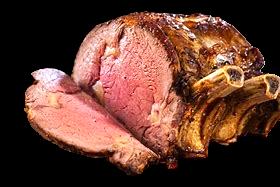
- Preparation (1-2 days before):
- Remove roast from packaging, pat dry with paper towels
- Season generously with salt (and optional black pepper)
- Place uncovered in refrigerator to dry-age for 24-48 hours
- Before cooking:
- Remove from refrigerator 2-3 hours before cooking to reach room temperature
- Preheat oven to 450°F (230°C)
- Optional: Rub with minced garlic, herbs (rosemary, thyme), and additional seasonings
- Cooking method:
- Place roast bone-side down in a roasting pan
- Sear at 450°F for 15 minutes to develop a crust
- Reduce temperature to 325°F (165°C)
- Cook for approximately 15 minutes per pound for medium-rare
- Use a meat thermometer to check internal temperature:
- Rare: 120-125°F
- Medium-rare: 130-135°F
- Medium: 140-145°F
- Resting and serving:
- Remove when internal temperature is 5-10°F below your target (it will continue cooking)
- Tent loosely with foil and rest for 15-30 minutes
- Slice against the grain
Tips:
- Choose a well-marbled roast with consistent fat distribution
- Calculate total cooking time based on weight (e.g., 6 lb roast ≈ 90 minutes)
- Don’t rely solely on cooking time – always use a meat thermometer
- Save the drippings for au jus or Yorkshire pudding
Let me share the classic side dishes that traditionally accompany a Christmas prime rib dinner.
Traditional Hot Sides:
- Yorkshire Pudding – A must-have British tradition, these airy, crispy popovers are made with the beef drippings
- Roast Potatoes – Crispy outside, fluffy inside, often roasted with goose fat or beef drippings
- Creamed Horseradish Sauce – The classic sharp and creamy accompaniment that cuts through the rich meat
- Au Jus – Made from the roast’s own drippings, essential for dipping
- Creamed Spinach – A steakhouse classic that pairs beautifully with prime rib
Winter Vegetables:
- Roasted Brussels sprouts with bacon and balsamic glaze
- Honey-glazed carrots
- Green beans almondine
- Roasted root vegetables (parsnips, turnips, carrots)
Traditional Christmas Additions:
- Cranberry sauce – While more common with turkey, many families serve it with prime rib too
- Christmas pudding or fruitcake for dessert
- Mulled wine or wassail for drinking
Modern Popular Additions:
- Loaded baked potatoes
- Macaroni and cheese
- Roasted asparagus with Hollandaise
- Winter salads with pears and blue cheese
 D'Lightful Dishes LLC, Personal / Private Chef Services