
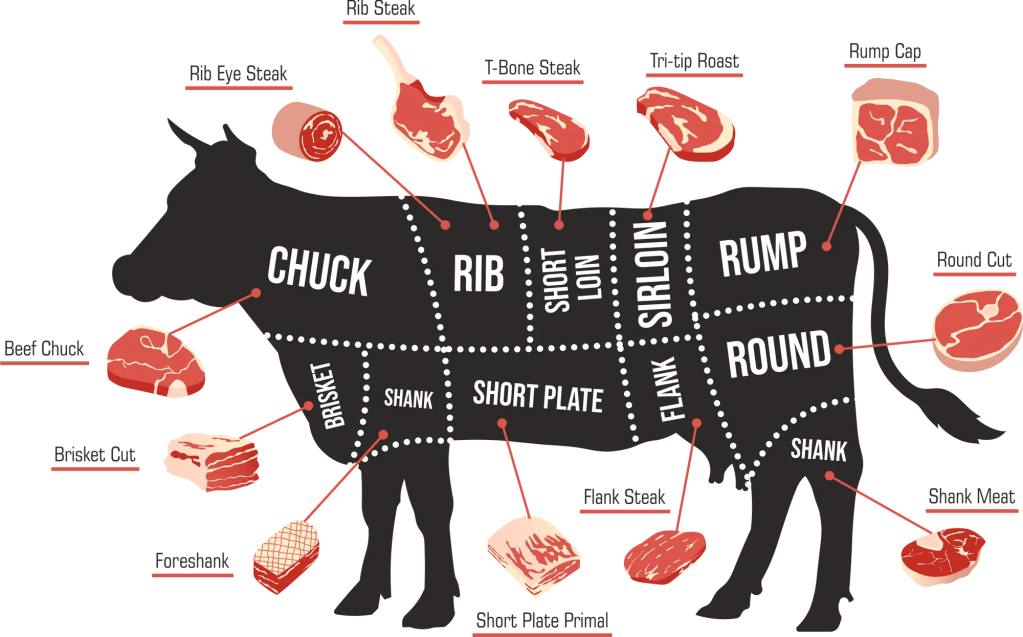
Here are some of the common cuts of beef typically used for beef stew:
- Chuck roast – This is one of the most popular choices for beef stew. Chuck comes from the shoulder area and has great flavor and becomes very tender when cooked slowly.
- Beef brisket – Brisket is a tough but flavorful cut that becomes meltingly tender when braised in a stew.
Importance of Cooking Beef to the correct temperature
Let me explain safe cooking temperatures for beef and provide some helpful details:
- Safe Minimum Temperatures for Different Beef Cuts:
- Ground beef: 160°F (71°C)
- Steaks and roasts:
- Rare: 125°F (52°C)
- Medium-rare: 135°F (57°C)
- Medium: 145°F (63°C)
- Medium-well: 150°F (66°C)
- Well-done: 160°F (71°C)
- Important Safety Tips:
- Always use a meat thermometer inserted into the thickest part
- Let meat rest 3-5 minutes after cooking (temperature will rise slightly)
- Ground beef must always reach 160°F regardless of preference
- Don’t rely on color alone – use a thermometer
- Why Ground Beef Needs Higher Temperature:
- Surface bacteria get mixed throughout during grinding
- Higher temperature needed to kill bacteria throughout the meat
- Whole cuts only need surface bacteria killed, so can be served rare
- Best Practices:
- Remove beef from refrigerator 30-60 minutes before cooking
- Use tongs instead of forks to avoid piercing and losing juices
- Let meat rest after cooking to redistribute juices
- Clean thermometer between uses
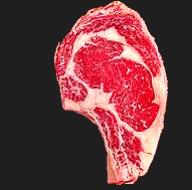


A concise overview of the main types of steaks:
- Ribeye: Highly marbled, rich flavor, from the upper rib cage
- Filet Mignon (Tenderloin): Most tender cut, lean, from the back
- New York Strip: Good balance of tenderness and flavor, from the short loin
- T-Bone: Combines strip and tenderloin, separated by a T-shaped bone
- Porterhouse: Similar to T-Bone but with a larger tenderloin portion
- Sirloin: Lean and affordable, from the rear back area
- Flank: Lean and fibrous, from the abdominal muscles
- Skirt: Long, thin cut with intense beef flavor, from the diaphragm
- Hanger: Flavorful but less tender, from the upper belly
- Flat Iron: Well-marbled and tender, from the shoulder
Here are the key tips for cooking a great steak:
- Start with quality meat and let it come to room temperature (30-60 minutes before cooking)
- Pat the steak completely dry with paper towels and season generously with salt and pepper
- For pan-searing:
- Get your pan screaming hot
- Sear 3-5 minutes per side for medium-rare (depending on thickness)
- Add butter, garlic and herbs in the final minute if desired
- Let rest 5-10 minutes before cutting
- For perfect doneness:
- Rare: 125°F (52°C)
- Medium-rare: 135°F (57°C)
- Medium: 145°F (63°C)
- Well-done: 160°F (71°C)
- Key mistakes to avoid:
 D'Lightful Dishes LLC, Personal / Private Chef Services