

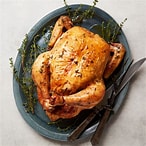
Poultry has emerged as the world’s most widely consumed meat source. Chicken leads the way as a versatile, affordable, and nutritious protein option. From backyard coops to industrial farms, these domesticated birds have become integral to global food security and culinary traditions.
A Rich History of Domestication
The story of poultry begins roughly 8,000 years ago in Southeast Asia. In this region, the red junglefowl was first domesticated. This domestication led to what we now know as the chicken. Through selective breeding over millennia, humans have developed various breeds optimized for either meat production, egg-laying, or both.
Modern Production and Consumption
Today’s poultry industry operates on an unprecedented scale. Broiler chickens are birds raised specifically for meat. They can reach market weight in just 6-7 weeks. A few decades ago, this process would have taken twice as long. This efficiency has made chicken more accessible than ever, with global production exceeding 130 million tons annually.
Nutritional Profile
Poultry meat, particularly chicken breast, is prized for its:
- High protein content
- Low fat content compared to red meat
- Essential vitamins including B6 and B12
- Minerals such as zinc and iron
- Versatility in cooking applications
Environmental Considerations
While poultry production has a lower environmental impact than beef or pork, intensive farming practices raise important questions about sustainability. Modern operations must balance efficiency with animal welfare and environmental stewardship, leading to innovations in:
- Feed conversion efficiency
- Waste management
- Housing systems
- Disease prevention
Beyond Chicken
Though chicken dominates the poultry market, other birds contribute significantly to global food systems:
- Turkeys, especially popular in North America
- Ducks, a staple in Asian cuisine
- Geese, valued for both meat and fat
- Quail, often considered a delicacy
Future Challenges and Opportunities
The poultry industry faces several challenges, including:
- Antibiotic resistance concerns
- Animal welfare considerations
- Disease outbreaks
- Market fluctuations
However, innovations in genetics, farming practices, and processing technologies continue to drive improvements in both efficiency and sustainability.
Importance of cooking chicken/poultry to correct temperature
Safe Cooking Temperatures:
- Whole chicken/turkey: 165°F (74°C)
- Chicken/turkey pieces (breasts, thighs, wings): 165°F (74°C)
- Ground poultry: 165°F (74°C)
Why this is crucial:
- Eliminates harmful bacteria like Salmonella and Campylobacter
- Prevents foodborne illness that can cause severe symptoms
- Particularly important for high-risk individuals (young children, elderly, pregnant women, immunocompromised)
How to check temperature properly:
- Use a reliable meat thermometer
- Insert into thickest part of the meat, avoiding bone
- For whole birds, check the inner thigh near the breast
- Temperature should maintain for at least 15 seconds
Visual cues that chicken is done:
- Juices run clear, not pink
- Meat is no longer pink inside
- However, color alone is not reliable – always use a thermometer
Remember: Never rely solely on cooking time or appearance. A meat thermometer is the only way to ensure poultry has reached a safe temperature.
Spatchcocking a Bird
Technique for spatchcock
- Prep your workspace:
- Remove the backbone:
- Flatten the bird:
- Final adjustments:
Tips:
 D'Lightful Dishes LLC, Personal / Private Chef Services