
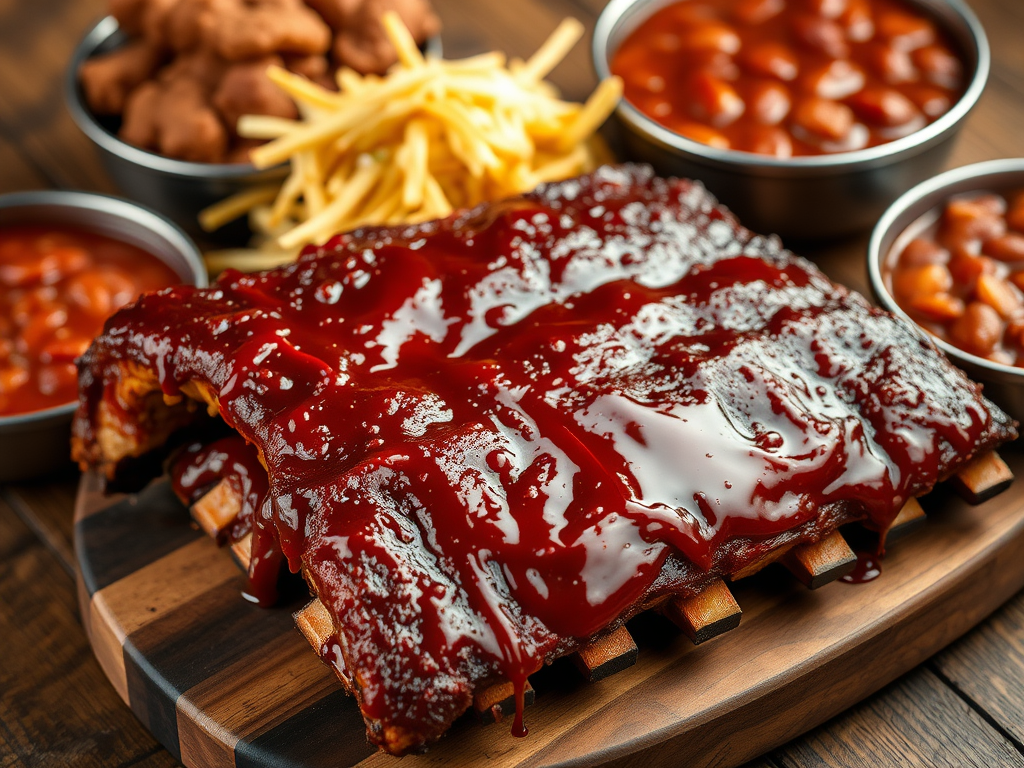
Here’s a fascinating journey through the history of BBQ ribs:
Origins in Indigenous and Early American Cooking BBQ ribs have deep roots in Indigenous and African American culinary traditions. Native American tribes preserved meats with smoking long before European colonization. They used techniques that involved slow-cooking meat over low fires. Enslaved Africans in the Southern United States significantly influenced BBQ techniques. They brought knowledge of slow-cooking and seasoning. These would eventually evolve into modern barbecue.
19th Century Developments In the mid-1800s, whole-hog barbecues became popular in the Southern United States. Pork was a readily available meat, and communities would gather for large social events centered around slow-roasted pig. People often gave ribs, a less desirable cut, to enslaved workers and lower-income individuals. They developed techniques to make the tough meat tender and flavorful.
Regional Variations Emerge Different regions developed unique BBQ rib styles:
- Kansas City: Known for thick, sweet tomato-based sauces
- Memphis: Dry-rub style with minimal sauce
- St. Louis: Spare ribs trimmed into a rectangular shape
- Texas: Often more heavily spiced with less sweet sauce
- North Carolina: Vinegar-based sauces that reflect early preservation techniques
20th Century Popularization The early 20th century saw BBQ ribs transition from a local, regional dish to a national favorite. Several factors contributed:
- Great Migration: African Americans moving from the South spread BBQ techniques
- Rise of restaurants specializing in BBQ
- Increased meat processing and transportation
- Post-World War II suburban culture and backyard grilling
Technological Innovations
- 1950s-1960s: Backyard grills became more common
- Refrigeration made meat storage easier
- Commercial BBQ sauces became widely available
- Specialized BBQ equipment like smokers became more accessible to home cooks
Modern Era Today, BBQ ribs are a global phenomenon. Competitive BBQ circuits, television shows, and international food festivals have elevated ribs. They transformed ribs from a regional specialty to a celebrated culinary art form. Chefs and home cooks continue to experiment with techniques, sauces, and flavor profiles while respecting the dish’s rich cultural heritage.
Interesting fact: The term “barbecue” is believed to derive from the Spanish word “barbacoa,” which Indigenous Caribbean people used to describe a wooden structure for smoking meat
BBQ ribs stay culturally and economically significant today in several key ways:
Culinary Culture
- Social Gatherings
- BBQ ribs are a centerpiece of American social events like family reunions, summer cookouts, and holidays
- They symbolize community, sharing, and traditional cooking techniques
- Bring people together across different generations and backgrounds
Economic Impact 2. Food Industry Significance
- BBQ restaurant industry generates billions of dollars annually
- Specialized BBQ restaurants and food trucks are popular entrepreneurial ventures
- Major food brands produce pre-made BBQ sauces, rubs, and ready-to-cook ribs
- Competitive BBQ circuits and festivals create significant tourism and economic activity
Cultural Identity 3. Regional Pride
- Different regions continue to celebrate their unique BBQ rib styles
- Annual BBQ competitions showcase regional variations
- Connects people to their cultural heritage and local identity
Culinary Innovation 4. Evolving Techniques
- Chefs continuously experiment with international flavor profiles
- Fusion BBQ styles blend traditional techniques with global cuisines
- Increasing focus on artisanal and craft BBQ preparation
- Growing interest in sustainable and heritage meat sourcing
Health and Dietary Trends 5. Adaptation to Modern Diets
- Plant-based BBQ alternatives emerging
- Healthier preparation methods gaining popularity
- Increasing options for different dietary requirements (gluten-free, low-sugar sauces)
Global Influence 6. International Popularity
- BBQ techniques spreading globally
- American-style BBQ restaurants now found in many countries
- Inspiring local cooking traditions and fusion cuisines
The ongoing popularity of BBQ ribs demonstrates how food is more than just nutrition. It’s a form of cultural expression. It aids in community building. It is also a creative culinary art.
I’ll guide you through cooking delicious BBQ ribs step by step:
Ingredients:
- Pork baby back ribs or spare ribs
- Dry rub (or ingredients to make your own)
- BBQ sauce
- Aluminum foil
- Optional: Wood chips for smoking
Preparation Steps:
- Prepare the Ribs
- Remove the membrane from the back of the ribs (use a knife to lift and pull it off)
- Pat the ribs dry with paper towels
- Apply a generous layer of dry rub, massaging it into the meat
- Seasoning Options
- Make a simple dry rub with:
- Brown sugar
- Paprika
- Garlic powder
- Salt
- Black pepper
- Cayenne pepper (optional)
- Cooking Methods
Oven Method:
- Preheat oven to 275°F
- Wrap ribs in foil
- Bake for 2.5-3 hours
- Unwrap, brush with BBQ sauce
- Broil or grill for 5-10 minutes to caramelize
Grill Method:
- Set up grill for indirect heat
- Cook at 225-250°F
- Place ribs bone-side down
- Cook for 4-5 hours
- Baste with BBQ sauce in the last 30 minutes
Smoker Method:
- Maintain temperature at 225°F
- Use wood chips like hickory or apple
- Cook for 5-6 hours
- Spritz with apple juice every hour
- Wrap in foil midway to tenderize
Pro Tips:
- Use the “bend test” to check doneness: ribs should crack slightly when bent
- Let ribs rest for 10-15 minutes before cutting
- Slice between the bones to serve
 D'Lightful Dishes LLC, Personal / Private Chef Services