

Frying food is a quick and easy way to prepare food. Depending on the oil, the heat, or equipment it can change or enhance the flavor of your food.
Just about anything can be fried. Go to a local state fair and look around. You’ll see many vendors frying different items. Everything is better fried (or so they say).
Most of us will not use professional equipment or a commercial kitchen. Still, there are some basic tips and tricks for producing the perfect fried product. It is essential to have the right equipment. It is also crucial to maintain the right temperature. This ensures a well-cooked product, whether it is meat, vegetables, or dairy. Here are some crucial information to help with this method.
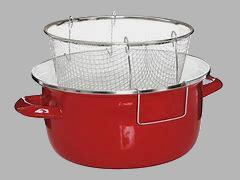


Frying is a cooking method that involves cooking food by immersing it in hot oil or fat. Here are key aspects:
Techniques:
- Deep frying: Food fully submerged in oil at 350-375°F
- Shallow frying: Food partially submerged in oil
- Pan frying: Small amount of oil in a pan
Benefits:
- Creates crispy exterior
- Rapid cooking
- Enhanced flavor through Maillard reaction
- Adds rich texture
Considerations:
- High calorie content
- Potential nutrient loss
- Risk of consuming harmful compounds if oil overheated
- Requires careful temperature management
Common fried foods:
- French fries
- Fried chicken
- Donuts
- Tempura
- Fish and chips
- Fritters
Cooking tips:
- Use oils with high smoke points
- Maintain consistent oil temperature
- Drain excess oil on paper towels
- Avoid overcrowding the cooking vessel
Health perspective:
- Consume in moderation
- Choose healthier oils like canola or peanut
- Consider optional cooking methods for frequent meals
Cooking Oils
Here’s a breakdown of common cooking oils and their smoke points:
High Smoke Point (400-520°F):
- Avocado oil (520°F)
- Refined safflower oil (510°F)
- Refined peanut oil (450°F)
- Refined coconut oil (400°F)
Medium-High Smoke Point (350-400°F):
- Extra virgin olive oil (375°F)
- Canola oil (400°F)
- Grapeseed oil (390°F)
- Corn oil (standard, 450°F)
Lower Smoke Point (325-350°F):
- Butter (350°F)
- Extra virgin olive oil (325°F)
- Unrefined coconut oil (350°F)
Key Considerations:
- Higher smoke point = better for high-heat cooking
- Lower smoke points good for low-heat/finishing
- Refined oils typically have higher smoke points
- Nutritional value can decrease at high temperatures
Recommended Uses:
- Deep frying: Avocado, peanut oils
- Sautéing: Canola, grapeseed
- Finishing/dressings: Extra virgin olive oil
- Baking: Vegetable, canola oils
Equipment (Pots and Pans)
E
 D'Lightful Dishes LLC, Personal / Private Chef Services